The short answer
Check which carriers a tracker uses and look at their coverage maps for your home, walks and trips. Single-network trackers (Fi Series 3+ on AT&T LTE-M) are fine where that carrier is strong; multi-carrier trackers (Tractive on AT&T, Verizon and T-Mobile) help in patchy areas; satellite-capable collars (Fi Ultra) reach further.
What LTE-M is
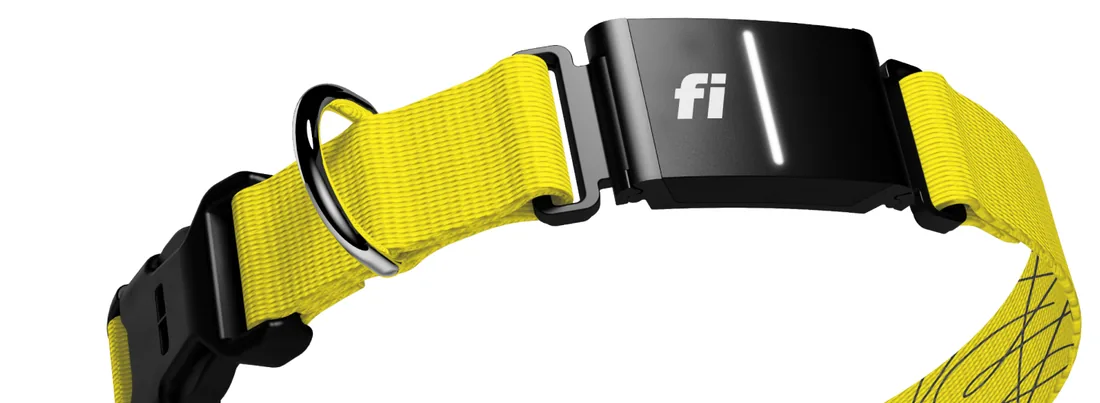
LTE-M is a low-power slice of 4G built for small devices. It sends little data but reaches further into buildings and uses less battery, which is why trackers like the Fi Series 3+ can last weeks or months per charge.
Single network vs several
| Tracker | Network (maker) |
|---|---|
| Fi Series 3+ | AT&T LTE-M |
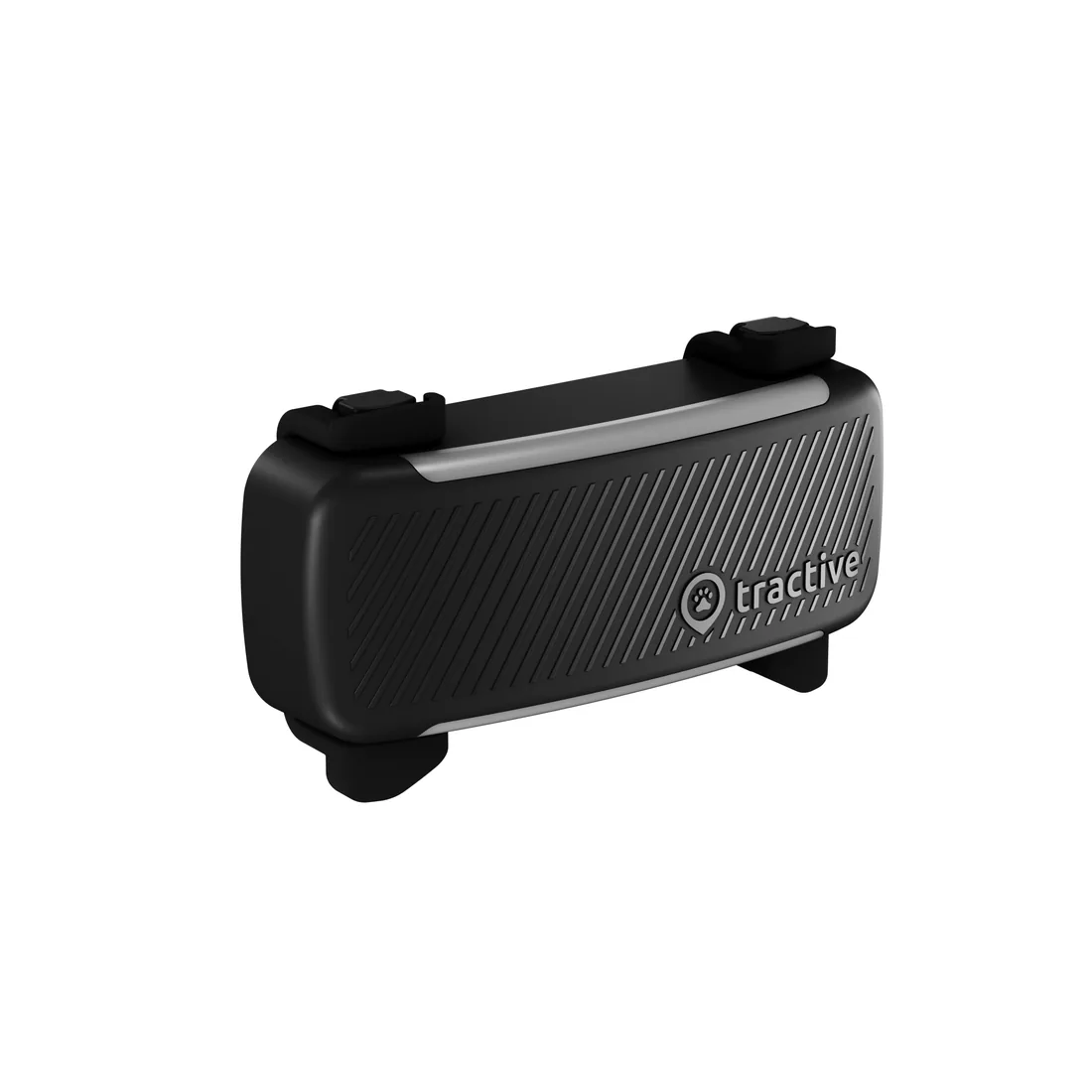
| Tractive DOG 6 | AT&T, Verizon and T-Mobile LTE (U.S.) |
| Fi Ultra | T-Satellite with Starlink |
| Halo Collar 5 | Major carriers incl. AT&T, Verizon, T-Mobile |
A tracker that can use several networks, like Tractive DOG 6, has a better chance of finding signal in a weak spot. Fi Ultra adds satellite to reach areas without towers.
Checking your area
- Look up each carrier's coverage map for your home, regular walks and places you travel.
- Ask neighbors which carrier works on your road; maps are optimistic.
- In remote country, a radio system such as Dogtra PATHFINDER2 works with no cell signal at all, within range of you.
Products mentioned

Questions readers ask
What happens if my dog runs out of coverage?
A cellular tracker can't send updates until it finds signal again; most report the last known location.
Is LTE-M worse than LTE?
It carries less data but suits trackers: it uses less power and can reach further indoors.