The short answer
An AirTag has no GPS. It's located when an Apple device passes within Bluetooth range and reports back. That works in busy towns and fails in woods, fields and quiet streets, which is where lost dogs often go. Use it as a backup to ID tags and a microchip, not instead of a GPS tracker.
How AirTag finds a dog
AirTag sends a Bluetooth signal. Any nearby iPhone that hears it reports the tag's location anonymously. With no phones around, there are no updates.
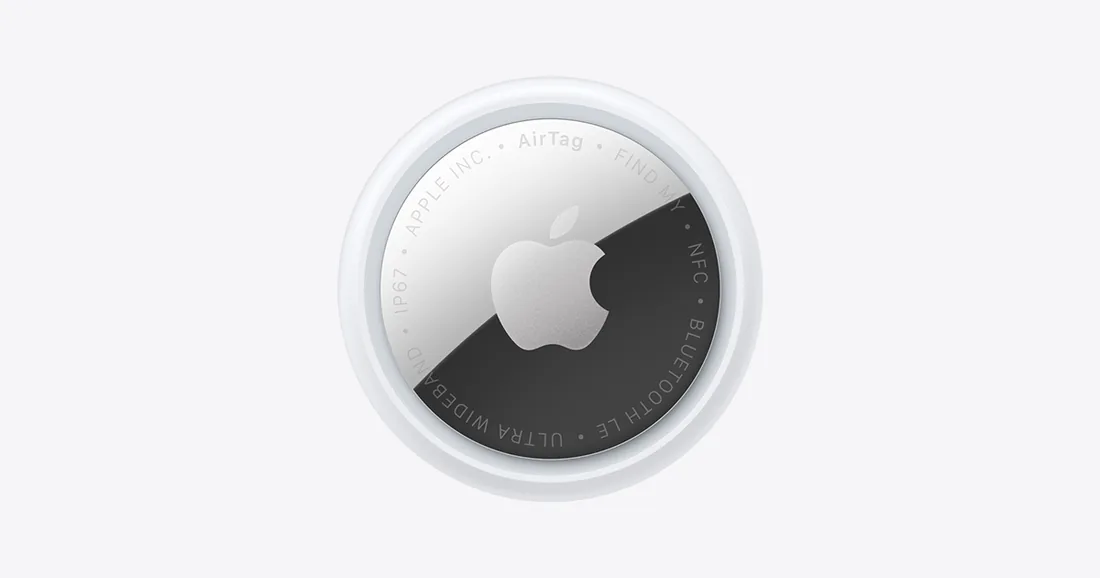
Apple built AirTag to find items. It weighs 0.42 oz, is IP67, runs over a year on a replaceable CR2032 battery and needs no subscription.
Where it works and where it doesn't
- Works best: busy neighborhoods, parks with people, city streets.
- Works poorly: woods, farmland, empty roads at night.
- No live tracking: you see where the tag was last heard, not where the dog is now.
- Needs an iPhone to set up and view.
SafetyCoin-cell batteries are dangerous if swallowed. Use a secure, chew-resistant holder.
When to choose a real tracker
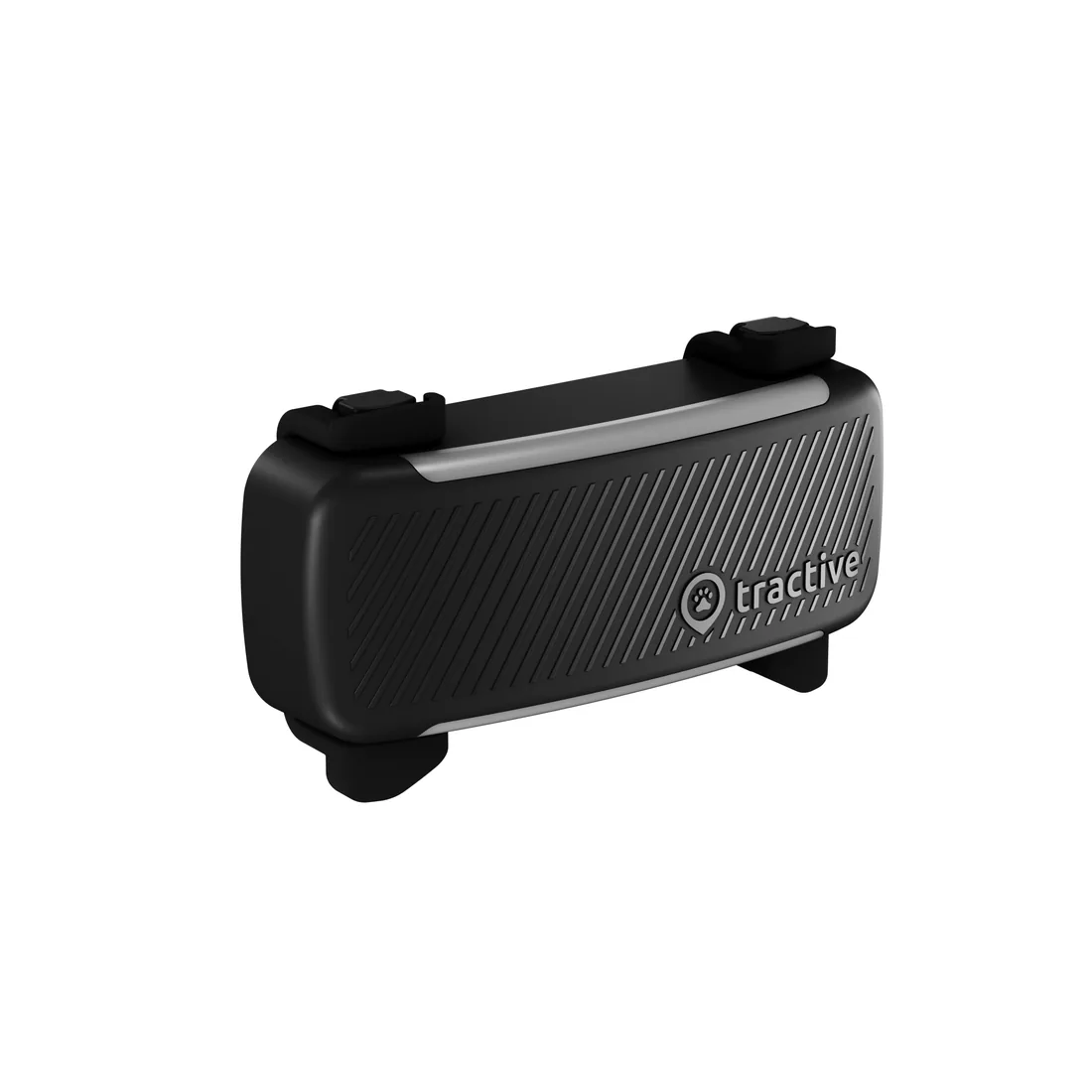
For a dog that bolts, a cellular tracker such as Tractive DOG 6 or Fi Mini shows live location anywhere with coverage, at the cost of a plan.
Products mentioned

Questions readers ask
Can I track my dog live with an AirTag?
No. You only see where it was last heard by a passing Apple device.
Does AirTag need a subscription?
No.