The short answer
GPS fence makers publish accuracy figures (Halo: within 1.4 ft; SpotOn: under five feet), but these are maker claims under good conditions. Trees, buildings and hills block or bounce satellite signals, so boundaries shift. Leave generous margins and keep boundaries away from the house and dense cover.
What makers claim
| System | Maker statement |
|---|---|
| Halo Collar 5 | Within 1.4 ft of true outdoor location (Halo's own claim) |
| SpotOn Nova | Under five feet (maker claim) |
| PetSafe Guardian GPS 2.0 | Dual-frequency GPS; designed for open lots |
We haven't measured these figures. Treat them as the best a fence will do.
What causes drift
- Tree canopy weakens signals.
- Buildings reflect signals, creating false positions.
- Hills and valleys block parts of the sky.
- Being close to the house puts the boundary in the worst signal.
Setting up for less drift
- Keep boundaries at least several yards from the house and tree lines.
- Walk the boundary with your dog on lead during training to see where alerts fire.
- Prefer open ground for the edges of the fence.
SafetyNo electronic fence is a physical barrier. Never rely on one alone near a busy road.
Products mentioned
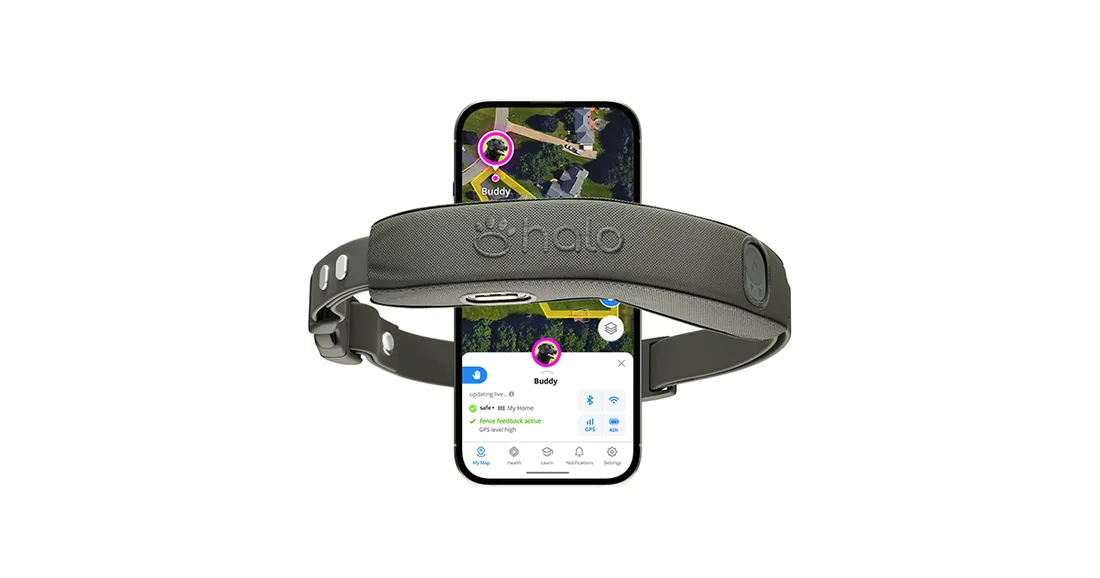
GPS fence collar · Halo
Halo Collar 5
Fences from 900 sq ft upward, stored in the collar; membership required.
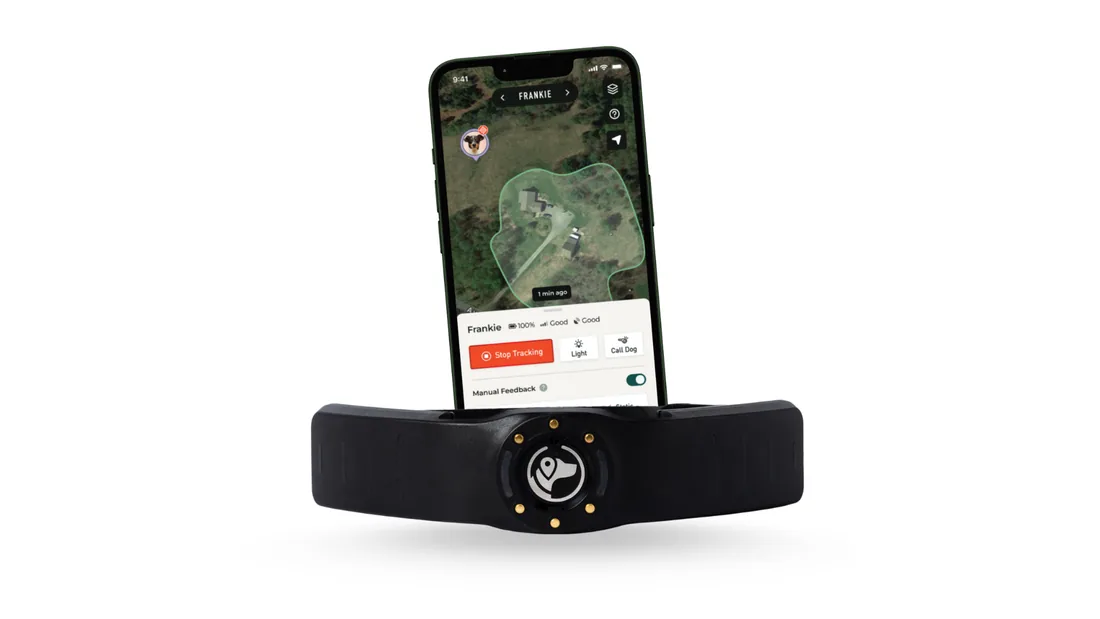
GPS fence collar · SpotOn
SpotOn GPS Dog Fence (Nova Edition)
Fencing works without a plan; tracking is an optional add-on.
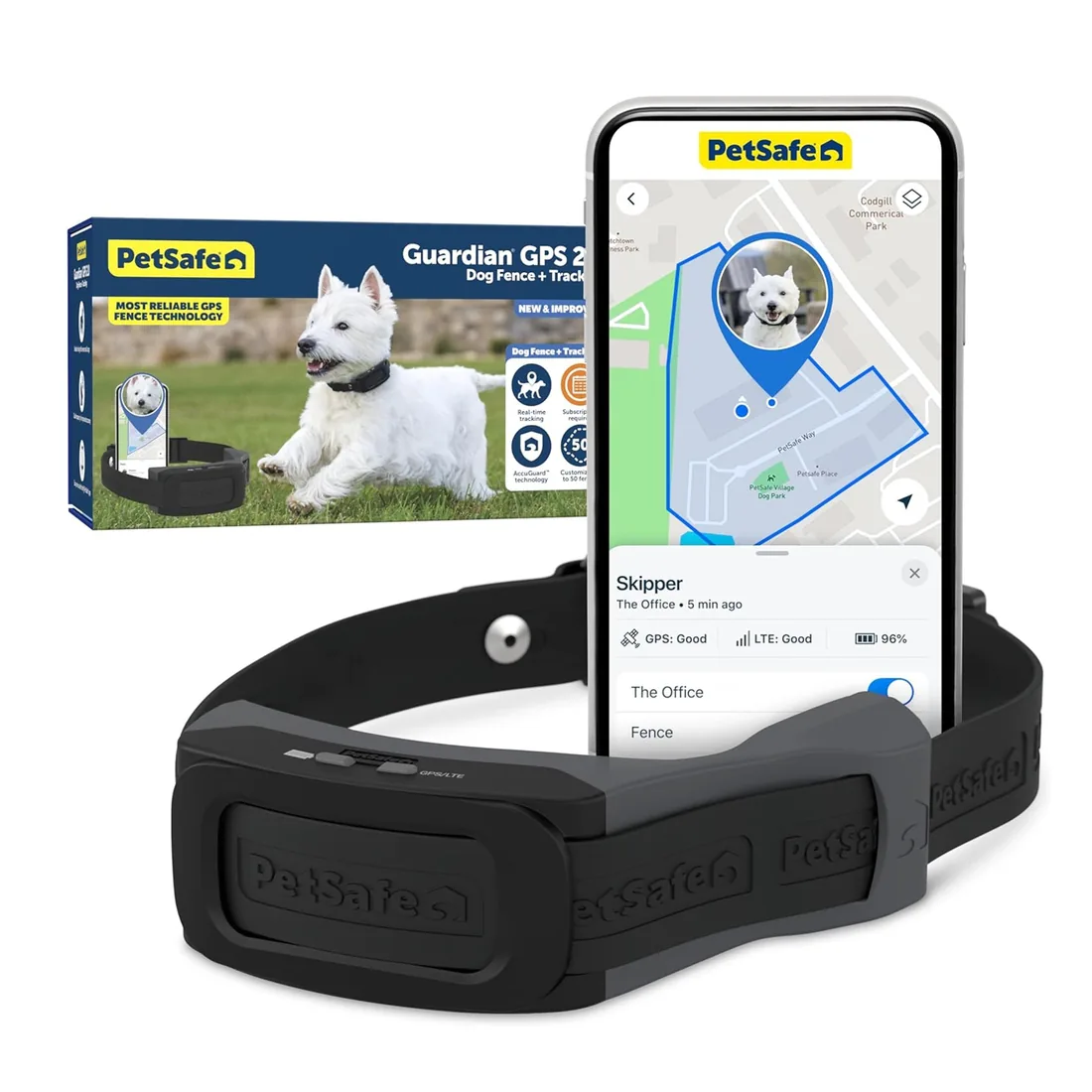
GPS fence collar · PetSafe
PetSafe Guardian GPS 2.0 Dog Fence + Tracking
Dual-frequency GPS, up to 70 hours per charge; plan required.
Questions readers ask
Which GPS fence is most accurate?
Halo makes the tightest claim (1.4 ft), but all figures are maker claims.
Why does my dog get corrected near the house?
Buildings disturb GPS signals; move the boundary further out.